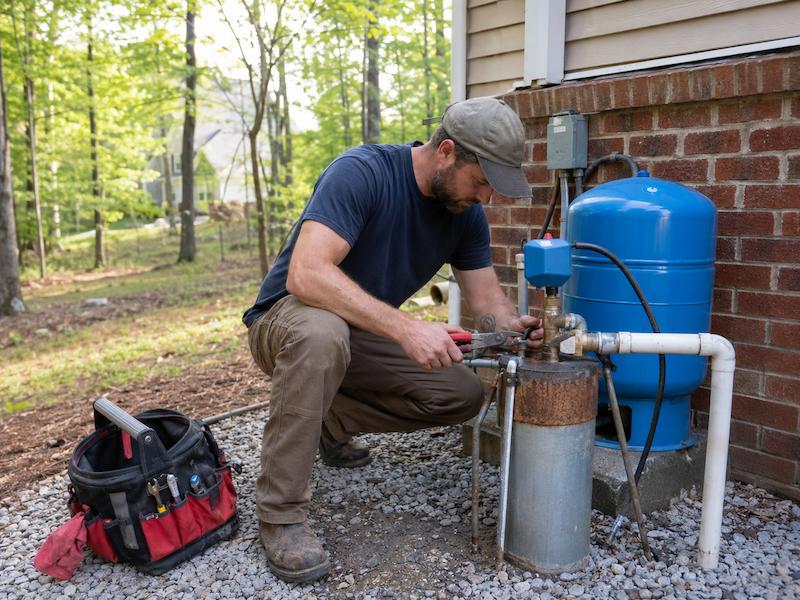
Choosing how to manage a private water system is a decision many homeowners eventually face. When the system functions smoothly, it is easy to overlook, but when water pressure drops or a pump stops cycling as it should, the urgency of the situation becomes clear. Addressing these needs effectively requires understanding the role of your equipment and knowing how to connect with experts who can provide long-term solutions.
The mechanics of a residential well system
A private water system relies on core parts working together to draw water from the ground. The pump acts as the engine. It moves water from the well into a storage vessel. Compressed air maintains steady water pressure throughout your home.
This setup ensures high efficiency and long life. A balanced system allows the pump to rest. The pump only activates when pressure inside the storage tank drops. This pause protects the electrical motor. Frequent, rapid cycling signals a broken balance. Homeowners who understand this mechanism spot minor issues early.
Considerations for maintaining your water supply
Maintaining a water well system combines preventative habits with professional help. Your primary role involves watching for subtle performance shifts. Watch for these indicators:
-
Fluctuations in water pressure during typical household activities.
-
The sound of a pump cycling more frequently than before.
-
Changes in water quality, including unexpected sediment or metallic tastes.
-
Visible moisture or corrosion near the tank or electrical controls.
These systems use high-voltage electrical components and pressurized lines. Therefore, you should know your limits with maintenance tasks. Monitoring the system is essential, but complex repairs require a trained technician. Attempting to fix internal electrical parts or well casing equipment without experience creates serious risks.
Selecting a professional partner for your system
Finding a qualified well pump supplier or a service provider involves looking for clarity, transparent communication, and a focus on long-term reliability. When you encounter a problem that requires professional intervention, you are essentially looking for an advisor who prioritizes the health of your entire system over a temporary fix.
A helpful provider will often start by assessing the current state of your system rather than immediately recommending the most expensive replacement. Ask questions about the age of your equipment, the compatibility of new parts, and what can be done to prevent future issues. A reputable provider will typically be willing to explain why they recommend a specific path, helping you weigh the costs and benefits of a simple repair against a more comprehensive upgrade.
Consider asking about their familiarity with the types of systems commonly found in your region. Local providers often possess specific knowledge about the geological conditions and common installation styles in your immediate area, which can influence how they approach system longevity and performance.
Aligning service choices with your household needs
The right approach to well pump repair depends heavily on the context of your specific installation. A home with high water demand, such as one with multiple bathrooms or irrigation needs, may have different requirements than a smaller household. A technician should take these factors into account when discussing potential repairs.
When you weigh your options, look for indicators of a professional service approach:
- They provide a clear assessment of the problem after conducting a thorough inspection of the pump, tank, and electrical switches.
- They explain whether the issue is isolated to a single part or if it suggests a wider trend of wear within the system.
- They communicate realistic expectations regarding the time and resources required to resolve the issue.
- They are open about the trade-offs between different brands or types of replacement components if an upgrade becomes necessary.
Ultimately, the goal is to build a relationship with a service provider you can trust over time. Because well systems require periodic attention, having a reliable partner who understands the history of your specific installation can make the difference between a stressful emergency and a routine, managed update.
Taking an active interest in your water system’s condition allows you to make informed choices. Whether you are seeking a consultation for a persistent drop in pressure or looking for a trusted source for system components, the focus should remain on durability and system balance. By staying observant and reaching out for professional guidance when questions arise, you can ensure that your home’s water system continues to operate effectively, supporting the needs of your household through every season.