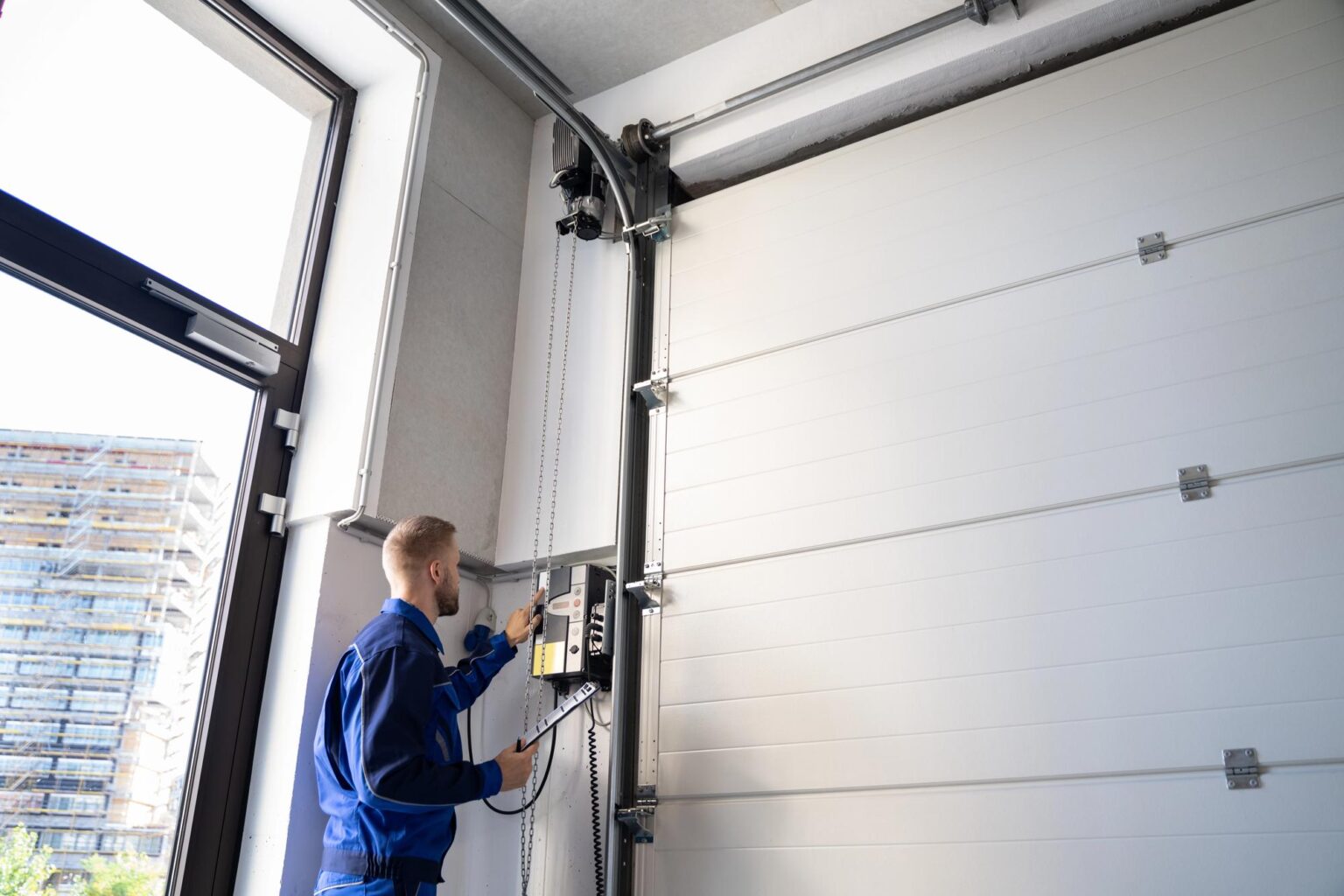
The mechanical systems that secure and provide access to industrial spaces often undergo a predictable evolution. Smooth, silent operations can gradually transition into small, intermittent interruptions that signal the need for professional oversight. Recognizing these shifts allows business owners to manage infrastructure effectively rather than facing unexpected system failures.
The Early Stages of Installation and System Integration
When new access systems launch, facility managers focus on reliability and daily workflow integration. During this initial phase, managers ensure that doors operate within manufacturer tolerances and calibrate safety features like sensors and auto-reverse mechanisms.
Proper setups require more than just successful installations. They involve establishing clear understandings of operational capacities. Managers should request documentation regarding maintenance intervals and recommended inspection schedules. Understanding baseline performances—such as opening speeds, operating noise levels, and frame seals—provides critical reference points for future adjustments. Early professional engagement ensures that minor tracking or balance inconsistencies are corrected before sensitive components experience premature wear.
What Changes as Operational Demands Increase
As businesses grow, operational intensity increases. Doors designed for occasional access may suddenly face dozens of cycles per shift. This progression naturally affects structural integrity and longevity. Springs lose tension, rollers encounter increased friction, and tracks shift slightly from constant movement vibrations.
For those overseeing property maintenance, it is helpful to monitor how the system responds to these changing demands. The signs of aging are rarely sudden. They appear as subtle changes: the door may take a fraction of a second longer to respond, or the motor may exhibit a slightly different tone during operation. These are not necessarily signs of a catastrophic failure, but they do indicate that the system is entering a period where it requires more proactive care. For facility operators, staying attentive to these patterns allows for the scheduling of commercial garage door repair long before a breakdown disrupts the business flow.
Signs That Maintenance or Adjustments Are Required
Progress is often measured by the absence of disruption, but needing to adjust is a normal part of the equipment’s lifespan. Identifying when a system requires professional attention is about observing the mechanism’s behavior. If an access point begins to show uneven movement, such as tilting to one side while descending, it often suggests an issue with cable tension or spring balance.
If the door makes unusual grinding or scraping noises, it may be time to examine the hardware, including hinges, bearings, and rollers, for signs of debris or insufficient lubrication. Sensors that occasionally fail to detect an obstruction or lights on the control panel that blink in an unfamiliar pattern are also common indicators that the system’s diagnostic protocols have detected a minor fault. Rather than viewing these as emergencies, consider them as useful feedback from the system. Engaging with experts who provide commercial garage door repair services can resolve these issues efficiently, ensuring that the door continues to provide the necessary security and access for staff and inventory.
Sustaining Reliable Functionality Over the Long Term
The key to long-term success with heavy-duty access systems lies in shifting from a reactive mindset to one of consistent, managed upkeep. Regular inspections serve as a diagnostic tool, allowing a professional to catch signs of fatigue in heavy springs or wear in the track assembly before they necessitate a major replacement.
Maintaining the long-term health of these systems involves a few fundamental practices. Keeping the track clear of debris, ensuring the track remains level and aligned, and verifying that all hardware fasteners are secure can significantly impact how well the door performs over its lifespan. Furthermore, because these systems often serve as a primary security perimeter, keeping the entry point in top condition is essential for protecting the facility. When seeking help, look for providers who prioritize a systematic approach to inspection and are capable of performing high-quality commercial garage door repair with an eye toward future prevention rather than just temporary fixes.
Industrial access points evolve through ongoing maintenance. Viewing doors as assets requiring periodic assessments keeps business operations smooth and secure. The main goal is escaping the break-and-fix cycle. Instead, businesses should adopt informed stewardship models that support broader company objectives.
The best strategy involves maintaining open communication with qualified service partners. Ask questions about observed wear patterns. Discuss trade-offs between repairing individual components and upgrading specific parts. Ultimately, the peace of mind from a well-maintained entry system represents a tangible investment in ongoing operational efficiency.