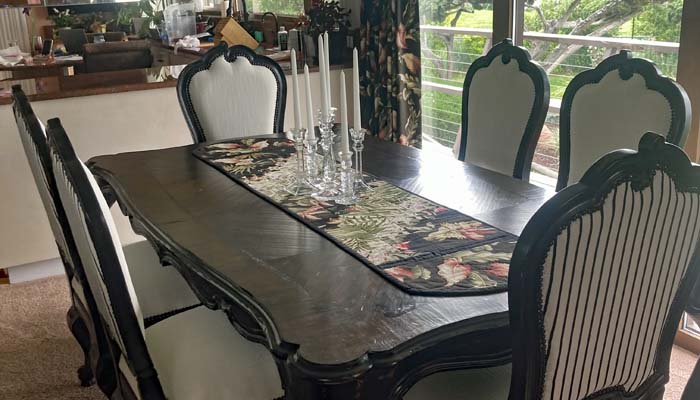
A favorite armchair that has seen years of daily use may still offer perfect support and comfort, even if the fabric has begun to show signs of wear or simply no longer matches the style of a room. Many homeowners find themselves deciding between parting with a piece of quality furniture and finding a way to revitalize it. Choosing to pursue reupholstery in Denver allows individuals to extend the life of well-built items while customizing them to fit a modern aesthetic.
The Challenge of Assessing Furniture Quality
Determining whether a piece of furniture is a suitable candidate for professional restoration involves looking past the visible condition of the upholstery. The primary factor is the underlying structure of the frame. Older furniture was often constructed with hardwoods and joinery methods that are less common in modern mass-market manufacturing. If the skeleton of the piece is sturdy—meaning it does not wobble, creak, or show signs of splintering—it is likely worth the investment of time and resources to renew the exterior.
The challenge lies in knowing how to identify these indicators. Homeowners should observe how the frame feels when weight is shifted on the piece. If the internal springs remain responsive and the joints feel firm, these are positive signs. Many professionals who perform new upholstered furniture work or restorative services can provide an initial assessment of a piece’s integrity. They can explain the difference between surface-level wear and actual structural compromise, helping owners decide if restoration will yield a long-lasting result.
Professional Reupholstery Process & Insights
Revitalizing a piece of furniture is a methodical craft that goes far beyond stapling new fabric over old material. The process begins with inspecting interior components, as padding, batting, and foam compress or deteriorate over time.
Professionals typically strip a piece down to its frame to evaluate webbing tension, spring integrity, and inner cushioning. Restoring these internal structures is critical because new fabric cannot compensate for lost ergonomic support. Once fixed, technicians apply new padding and secure the chosen textile for a taut, wrinkle-free finish that honors the original design.
Key Factors That Shape the Final Outcome
Several considerations influence both the final appearance and the longevity of a reupholstered piece. The choice of fabric is perhaps the most significant. Different textiles offer varying degrees of durability, lightfastness, and resistance to staining. A fabric intended for a piece in a quiet reading corner might be entirely unsuitable for a frequently used sofa in a busy family space.
Additionally, the complexity of the piece plays a role in the outcome. Items with intricate tufting, decorative nailhead trim, or complex curves require more labor and specialized skill than straightforward silhouettes. When discussing reupholstery in Denver, it is helpful to ask providers about how they handle these specific details. A skilled professional will be able to discuss the trade-offs between different fabric weights and textures, as well as how certain materials may drape or wear over time, ensuring the final product meets the owner’s expectations for both beauty and function.
Practical Ways to Approach Furniture Restoration
Approaching a furniture project with a clear strategy helps avoid common pitfalls. Start by documenting the piece with photographs from various angles. This makes it easier to share the project’s scope with potential service providers. When reaching out to professionals who provide new upholstered furniture services or restoration, ask questions about their approach to matching patterns, their process for sourcing high-quality materials, and their typical turnaround times.
Transparency is a hallmark of a professional service. A trustworthy technician will be clear about what can be achieved with a specific frame and will not hesitate to point out if a piece might not be worth the investment of a full restoration. They may also suggest smaller, more targeted updates, such as replacing seat foam or refreshing cushions, if a full reupholstery project exceeds the current needs or budget.
For residents of the area, taking a thoughtful approach to furniture care can significantly influence the character of a home. Rather than rushing to replace items, consider the potential for renewal. By choosing to work with experienced professionals who prioritize structural integrity and quality craftsmanship, homeowners can breathe new life into pieces that have served them well, ensuring they remain comfortable and stylish for years to come. Taking the time to discuss options and understand the underlying condition of a piece is the most reliable way to achieve a result that adds value and personal satisfaction to a living space.